
Why Hands-On Water Operator Training Beats Checking the CEU Box
A class can check a box. Good training should also help operators do the job with more confidence when they get back to the plant.
Most operators have sat through training that gave them the hours they needed but left little behind once the class was over.
That is the difference between checking a box and actually learning something you can use.
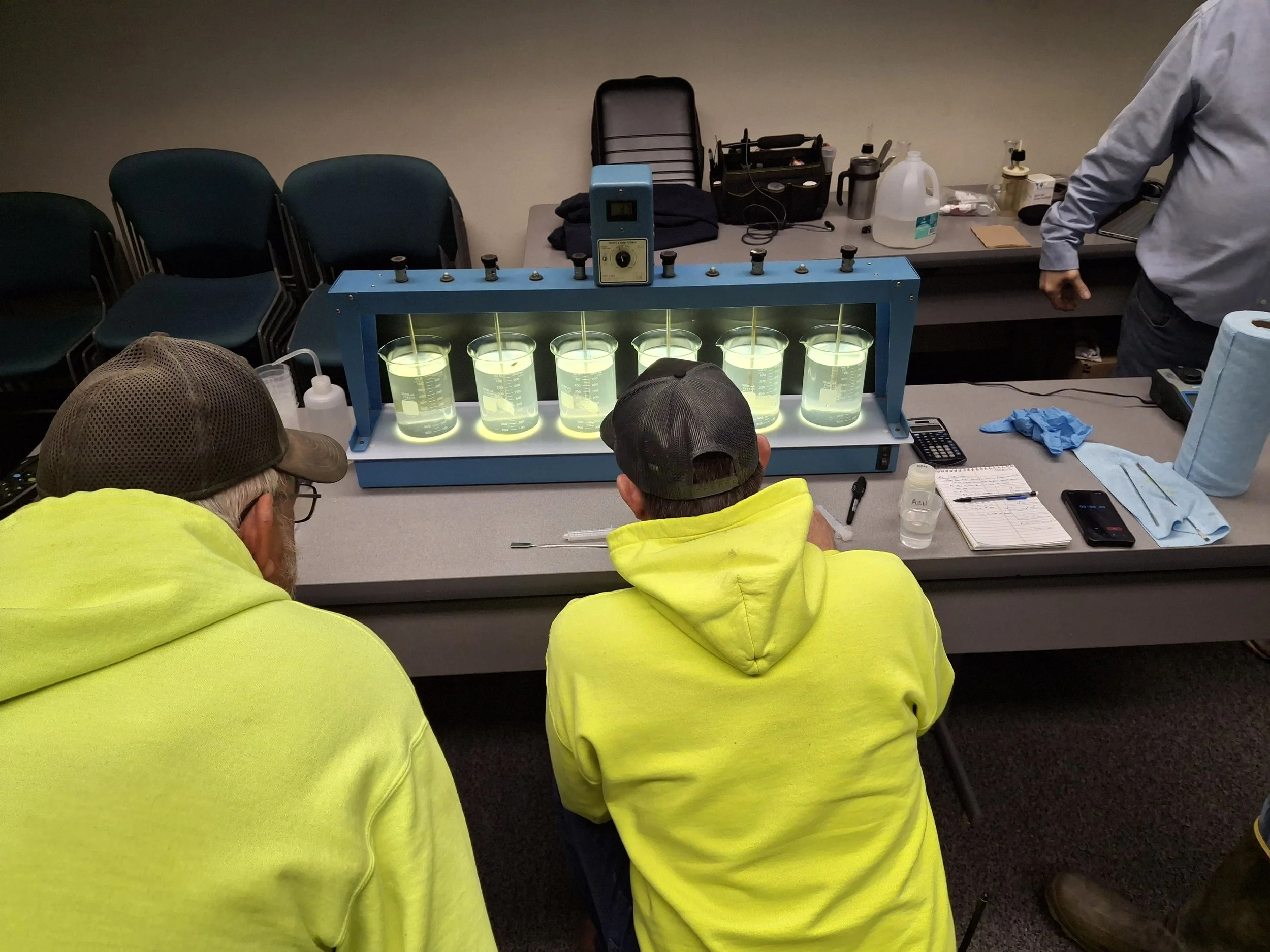
Hands-on training gives operators a better shot at taking what they hear in class and applying it on the job. It helps connect the lesson to what is really happening in the plant. That could be process changes, equipment issues, troubleshooting, or simply getting more comfortable with how a system behaves day to day.
For newer operators, that kind of training can help build confidence faster. For experienced operators, it can help sharpen their thinking, fill in gaps, and give them a better way to work through issues in the field.
A lot of people do not need more information piled on top of them. They need training that is clear, useful, and tied to real work. They want to walk away with something they can put to use, not just a notebook full of slides.
That is how we look at training at WtrWrx Services.
We believe operators get more out of class when the instruction feels practical and grounded in the work they are already doing. The goal is to help people build skills and confidence and leave with something they can carry back into the plant.
If you are looking for operator training that feels useful from the start, take a look at our upcoming courses.
When On-Site Training Pays for Itself: A Real-World Jar Testing Example
See how facility-specific, on-site jar testing training helped operators improve chemical dosing decisions and achieve significant annual cost savings using their own water and treatment chemicals.
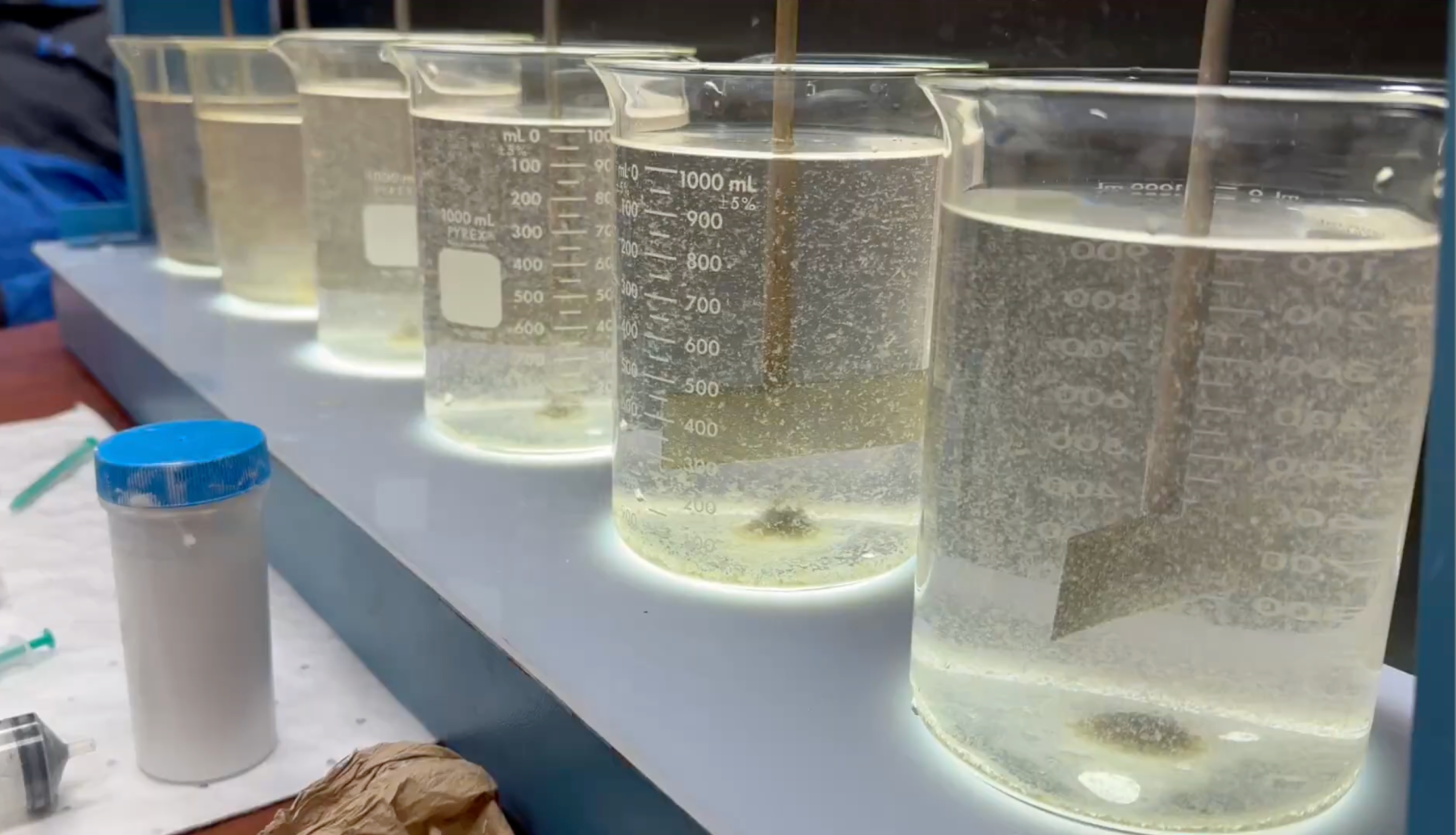
How Jar Testing saved thousands:
One of the most common challenges we see at small and mid-sized water treatment plants is chemical dosing that feels more reactive than controlled. Operators know something isn’t quite right, but without time, tools, or confidence to troubleshoot, small inefficiencies can quietly turn into big costs.
Recently, WtrWrx Services worked with an Illinois community water treatment plant facing exactly this situation.
Rather than delivering a classroom-style presentation, we provided on-site, facility-specific training focused on jar testing and chemical dosing, using the plant’s actual source water, treatment chemicals, and equipment.
Training Using the Plant’s Own Water and Chemistry
During the on-site session, operators walked through:
How to properly set up and run jar tests
What to look for when results don’t match expectations
How to troubleshoot dosing issues using visual and performance indicators
How to translate jar test results into confident, real-world dosing adjustments
Because the training was conducted with the facility’s own water and chemicals, the results were immediately relevant. Operators weren’t learning theory—they were solving their own process challenges in real time.
Immediate Results and Long-Term Savings
By the end of the training, the operations team was able to:
Identify inefficiencies in their existing chemical dosing approach
Make informed adjustments based on jar testing results
Establish a repeatable process that they could continue using independently
Those changes led to significant annual chemical cost savings, ultimately more than offsetting the cost of the on-site training itself.
Just as importantly, the operators left with greater confidence in their decision-making and a clearer understanding of how to respond when conditions change.
Why Facility-Specific Training Matters
Every treatment plant is different. Source water quality, seasonal variability, treatment goals, and available resources all play a role in how systems perform.
That’s why on-site training can be so effective:
It uses your water, your chemistry, and your equipment
Operators learn by doing, not just listening
Improvements can be implemented immediately
Benefits extend beyond compliance to cost control and system reliability
Training That Supports Operators and Communities
At WtrWrx Services, our goal is to support operators with practical, field-tested solutions that make daily operations easier and more effective. When operators are empowered to make confident treatment decisions, the entire community benefits—from improved water quality to better use of limited resources.
If your system could benefit from on-site training tailored to your facility and your operators, we’re happy to talk about options that fit your needs.
👉 Learn more about our training services
👉 Contact us to discuss on-site training
Winter Operations Checklist for Water & Wastewater Plants
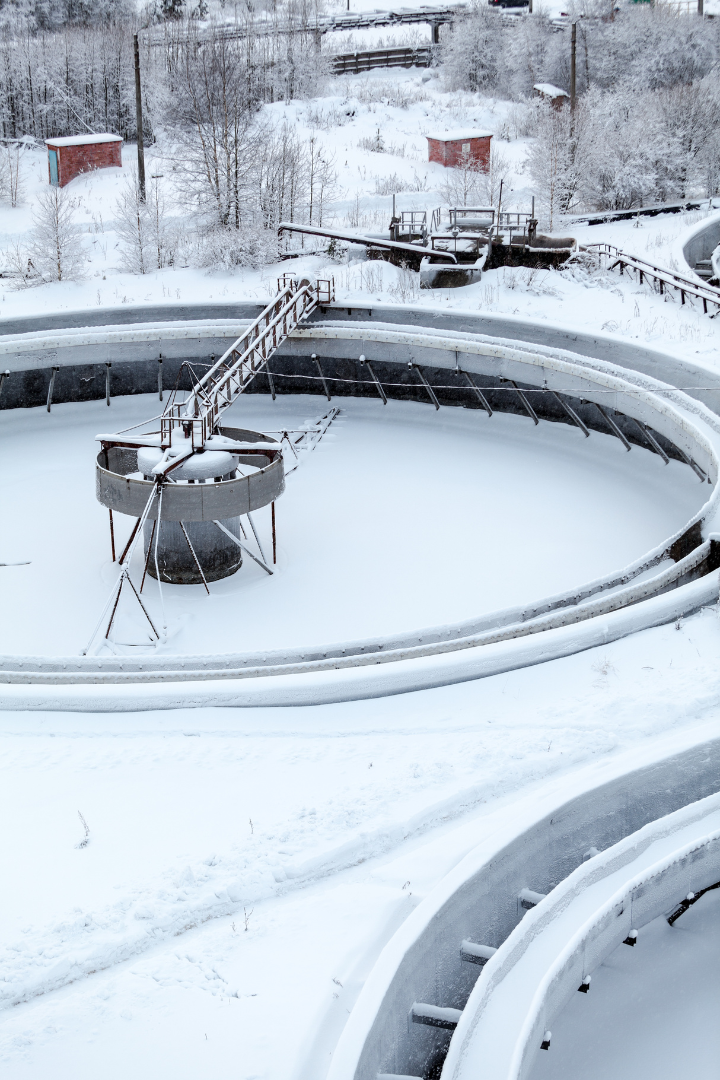
Winter operations bring more than cold temperatures, including process shifts, dosing challenges, and higher risk of freeze-related issues. This checklist highlights practical steps water and wastewater operators can take to stabilize treatment, protect equipment, and avoid surprise call-outs during winter.
Midwest & Southern Cold Snaps
Winter doesn’t just bring cold temperatures, it brings process shifts, equipment headaches, and higher risk of after-hours problems. Whether your facility is in Illinois, Missouri, Kentucky, Arkansas, or Texas, a few proactive checks can prevent the most common winter issues.
Below is a practical winter checklist operators can use to reduce freeze-ups, stabilize treatment, and avoid surprises.
Protect Freeze-Prone Equipment and Lines
Focus areas:
Exposed piping, sample lines, and small-diameter tubing
Chemical feed lines and day tanks
Pump stations, valve vaults, and meter pits
Outdoor instrumentation and analyzers
Quick wins:
Verify heat trace operation (and label circuits)
Confirm insulation is intact and dry
Add wind protection where possible
Keep enclosure doors sealed and gaskets in good shape
2. Review Chemical Dosing for Cold Weather
Cold water changes reaction rates and can affect chemical performance. Winter is often the time when plants see “drift” — things still work, but not as well.
Check:
Are chemical pumps delivering accurate rates?
Are viscosity changes affecting feed consistency?
Are you seeing changes in turbidity, chlorine demand, alkalinity, or pH stability?
Tip: If you haven’t done a quick dosing verification recently, winter is the time.
3. Watch Biological Performance Closely (Wastewater)
As temperatures drop, biological activity slows. That can show up as:
Higher effluent BOD/TSS
Nitrification stress or ammonia creep
Changes in settleability
Check:
DO setpoints and blower performance
MLSS trends and wasting strategy
Settling and clarifier performance
Any early ammonia or permit-related warning signs
4. Verify Instrumentation and Sampling Reliability
Winter conditions can cause:
Sensor drift
Frozen sample lines
Poor analyzer readings
Check:
Calibrate critical probes (especially if readings feel “off”)
Verify sample line flow and temperature protection
Confirm alarms are working and routed correctly
5. Confirm Emergency Readiness (Before You Need It)
Winter call-outs are tough — especially with holiday staffing and PTO schedules.
Check:
Generator test run + fuel status
Spare parts for known winter failure points
Contact list and escalation plan
Remote access (if you use it) is working
Need Help Winterizing or Stabilizing Treatment?
WtrWrx Services supports water and wastewater operators with on-call and preemptive support — including troubleshooting, dosing adjustments, compliance documentation, and hands-on help when winter issues hit.
If you want another experienced set of eyes on your system this winter, we’re here to help.