
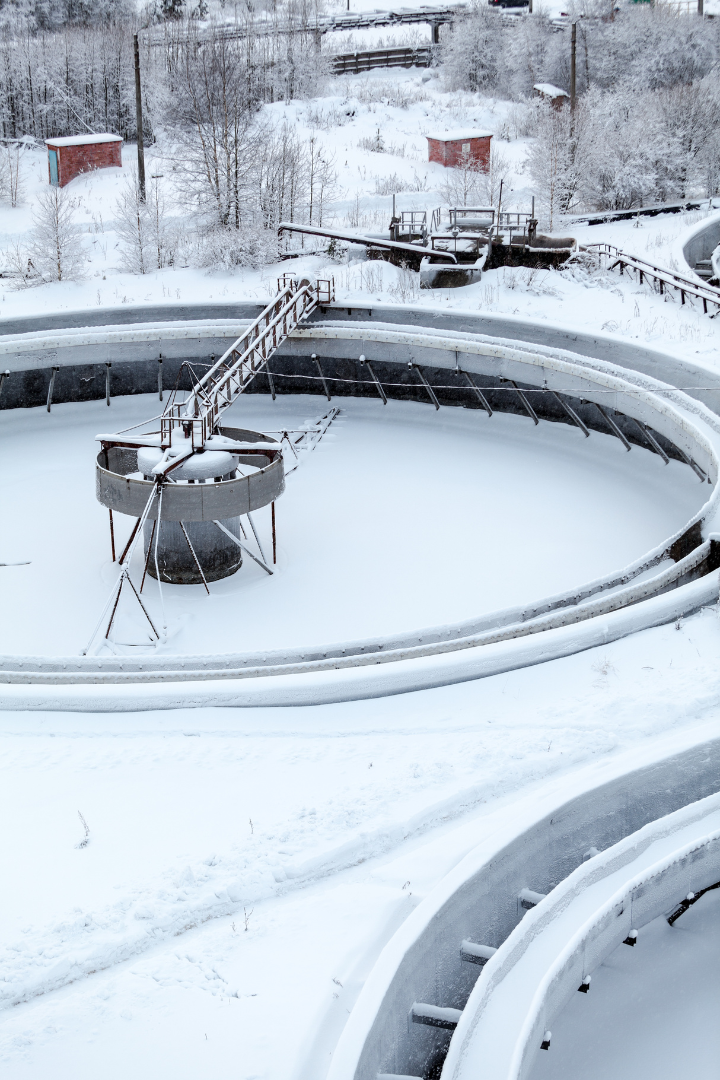
Winter Operations Checklist for Water & Wastewater Plants
Winter operations bring more than cold temperatures, including process shifts, dosing challenges, and higher risk of freeze-related issues. This checklist highlights practical steps water and wastewater operators can take to stabilize treatment, protect equipment, and avoid surprise call-outs during winter.
Midwest & Southern Cold Snaps
Winter doesn’t just bring cold temperatures, it brings process shifts, equipment headaches, and higher risk of after-hours problems. Whether your facility is in Illinois, Missouri, Kentucky, Arkansas, or Texas, a few proactive checks can prevent the most common winter issues.
Below is a practical winter checklist operators can use to reduce freeze-ups, stabilize treatment, and avoid surprises.
Protect Freeze-Prone Equipment and Lines
Focus areas:
Exposed piping, sample lines, and small-diameter tubing
Chemical feed lines and day tanks
Pump stations, valve vaults, and meter pits
Outdoor instrumentation and analyzers
Quick wins:
Verify heat trace operation (and label circuits)
Confirm insulation is intact and dry
Add wind protection where possible
Keep enclosure doors sealed and gaskets in good shape
2. Review Chemical Dosing for Cold Weather
Cold water changes reaction rates and can affect chemical performance. Winter is often the time when plants see “drift” — things still work, but not as well.
Check:
Are chemical pumps delivering accurate rates?
Are viscosity changes affecting feed consistency?
Are you seeing changes in turbidity, chlorine demand, alkalinity, or pH stability?
Tip: If you haven’t done a quick dosing verification recently, winter is the time.
3. Watch Biological Performance Closely (Wastewater)
As temperatures drop, biological activity slows. That can show up as:
Higher effluent BOD/TSS
Nitrification stress or ammonia creep
Changes in settleability
Check:
DO setpoints and blower performance
MLSS trends and wasting strategy
Settling and clarifier performance
Any early ammonia or permit-related warning signs
4. Verify Instrumentation and Sampling Reliability
Winter conditions can cause:
Sensor drift
Frozen sample lines
Poor analyzer readings
Check:
Calibrate critical probes (especially if readings feel “off”)
Verify sample line flow and temperature protection
Confirm alarms are working and routed correctly
5. Confirm Emergency Readiness (Before You Need It)
Winter call-outs are tough — especially with holiday staffing and PTO schedules.
Check:
Generator test run + fuel status
Spare parts for known winter failure points
Contact list and escalation plan
Remote access (if you use it) is working
Need Help Winterizing or Stabilizing Treatment?
WtrWrx Services supports water and wastewater operators with on-call and preemptive support — including troubleshooting, dosing adjustments, compliance documentation, and hands-on help when winter issues hit.
If you want another experienced set of eyes on your system this winter, we’re here to help.